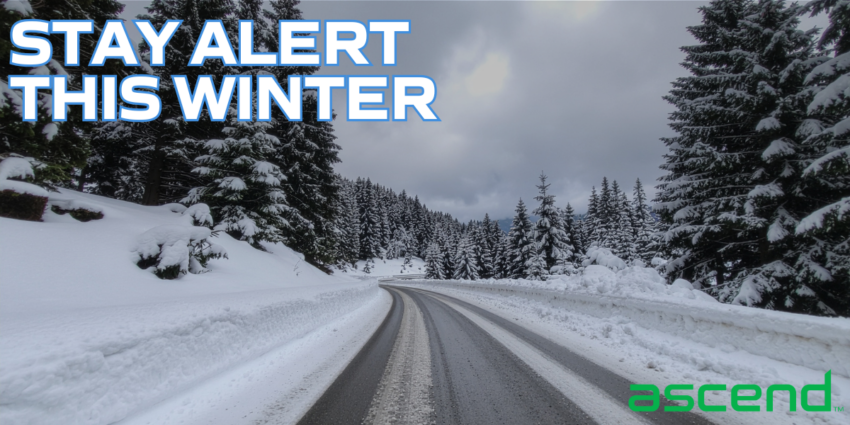
How Winter Impacts Driver Alertness (and What You Can Do About It)
Post Date - Feb 17, 2026
Winter driving isn’t just about icy roads and bad weather—it’s also about staying mentally sharp when conditions are working against you. Cold temperatures, shorter daylight hours, and long stretches of gray skies can all take a toll on driver alertness. And when alertness drops, safety risks rise.
Winter demands more from professional drivers—not just behind the wheel, but mentally, too. Understanding how winter affects your focus and knowing how to counter it can help you stay safe, confident, and in control all season long.
Less Daylight = More Fatigue
Winter means shorter days and longer nights, and that lack of sunlight can disrupt your natural sleep-wake cycle. When your body doesn’t get enough daylight, it can produce more melatonin—the hormone that makes you feel sleepy—even during daytime hours.
For truck drivers, that can mean:
- Feeling drowsy earlier in your shift
- Slower reaction times
- Difficulty staying focused on long stretches of road
What helps:
- Take advantage of daylight when you can—open the curtains during breaks or step outside briefly.
- Stick to a consistent sleep schedule, even on days off.
- Avoid skipping rest breaks, especially during afternoon hours when fatigue often peaks.
Cold Weather Makes Your Body Work Harder
Cold temperatures force your body to burn more energy just to stay warm. That extra effort can leave you feeling drained faster, especially during long winter shifts.
You may notice:
- Increased physical fatigue
- Muscle stiffness that leads to discomfort and distraction
- Lower energy levels overall
What helps:
- Dress in layers so you’re not tensing up from the cold.
- Stretch during stops to keep blood flowing.
- Eat balanced meals—heavy, greasy foods can make fatigue worse.
Winter Driving Requires More Mental Focus
Snow, ice, wind, and reduced visibility demand constant attention. Even when conditions aren’t severe, winter driving requires more decision-making and anticipation than dry-road driving.
That increased mental workload can lead to:
- Faster mental exhaustion
- Difficulty staying alert late in a shift
- Stress that impacts focus
What helps:
- Slow down—giving yourself extra time reduces mental strain.
- Increase following distance to reduce constant braking and correction.
- Take short mental resets during safe stops to avoid overload.
Cab Environment Matters More Than You Think
Warm cabs, limited airflow, and long periods of sitting can quietly contribute to drowsiness in winter.
Common culprits include:
- Overheating the cab
- Poor ventilation
- Sitting still for extended periods
What helps:
- Keep the cab comfortably warm—not overly hot.
- Crack a window slightly for fresh air when safe.
- Move your body during stops to reset your focus.
Don’t Ignore Early Warning Signs
Yawning, heavy eyes, drifting thoughts, or missing small details are all signs your alertness is slipping. Winter conditions leave less room for error, so recognizing these signs early is critical.
If you notice them:
- Take a break—even a short one can help
- Hydrate
- Reassess whether it’s safe to continue or if rest is needed
Ascend Has Your Back—All Year Long
For us, driver safety isn’t seasonal. We know winter driving adds pressure, and we respect the professionalism it takes to stay alert when conditions are tough. That’s why we encourage drivers to listen to their bodies, use available resources, and never feel rushed when safety is on the line.
Staying alert in winter isn’t about pushing harder—it’s about driving smarter. When you take care of yourself, you protect your load, your rig, and everyone sharing the road.
So this winter, let’s stay warm, rested, and know Ascend is with you every mile of the way.